Key Takeaways

  • Most venues using the term "360 projection" have one or two projectors covering a single wall.
  • A real immersive system requires multiple projectors, a custom content pipeline, and precision calibration.
  • Hardware alone is not immersive. The content team behind the system matters as much as the projector count.
  • Lumens, throw distance, and ambient light tolerance are the technical specs to ask about first.
  • If a venue cannot tell you who builds their content and what software they use, the system is likely running template loops.

The Question That Comes Up Constantly

In experiential marketing and event planning communities online, this question appears in almost every thread about immersive venues: "Every venue is calling itself 360-degree immersive now. How do you actually know if it is real?"

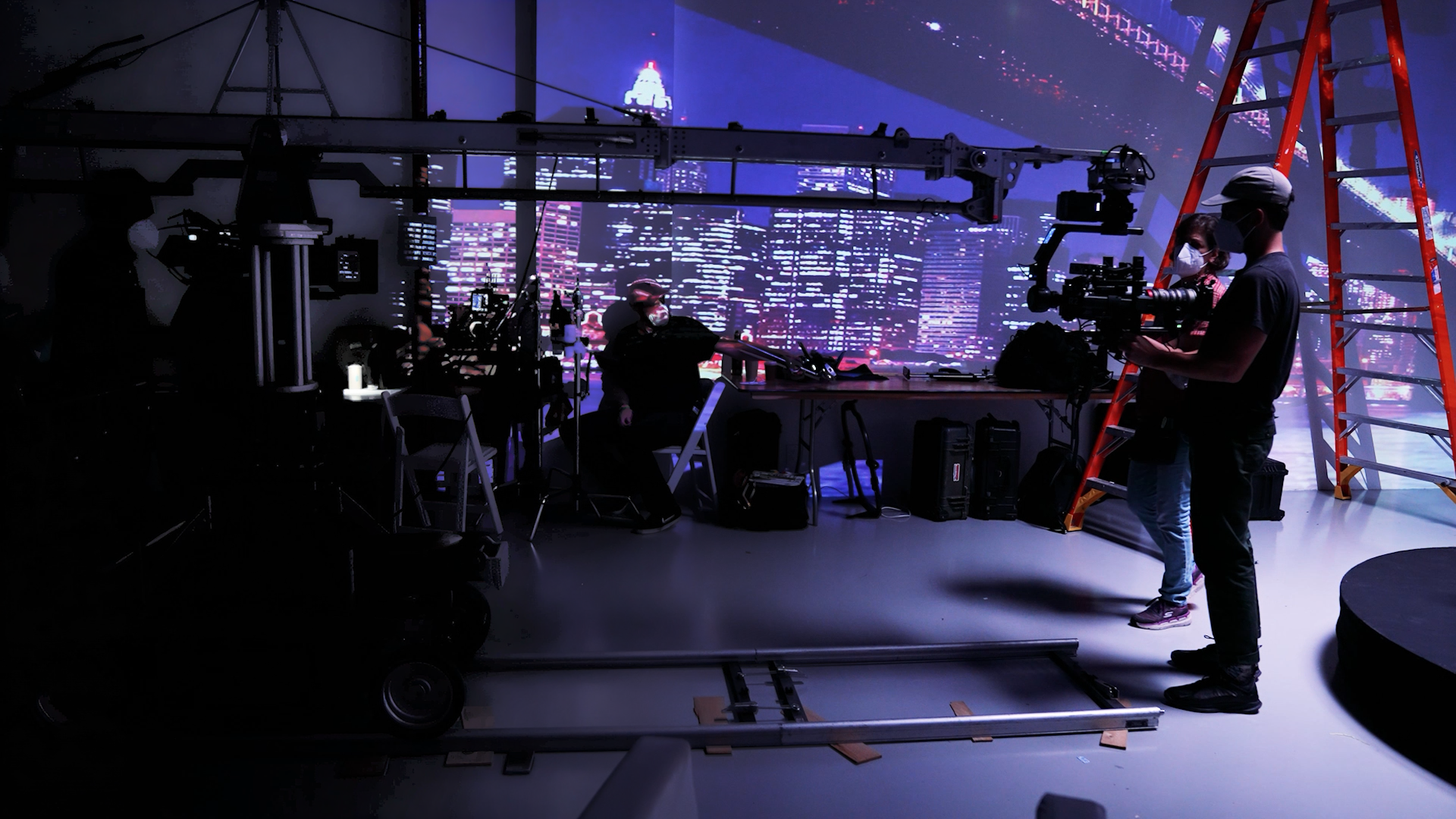
The honest answer: most are not. At LUME Studios at 393 Broadway in SoHo, New York City, we built our own 16-projector 360-degree system from scratch starting in 2016. Founder Dotan Negrin designed the architecture, calibration workflow, and content pipeline through years of direct experimentation with TouchDesigner, Max MSP, and computer vision. We have seen every variation of the claim. Here is what actually separates a real immersive system from a marketing description.

What "360 Projection" Actually Means at Most Venues

Most venues that describe themselves as "360-degree projection" or "immersive" are using one of these setups: a single projector throwing an image onto one wall, two projectors covering two adjacent walls, or a screen system with projection onto a flat surface. These setups can look compelling in a marketing photo taken in a dark room. In person, during a live event with ambient light and guests moving through the space, they look like a screen.

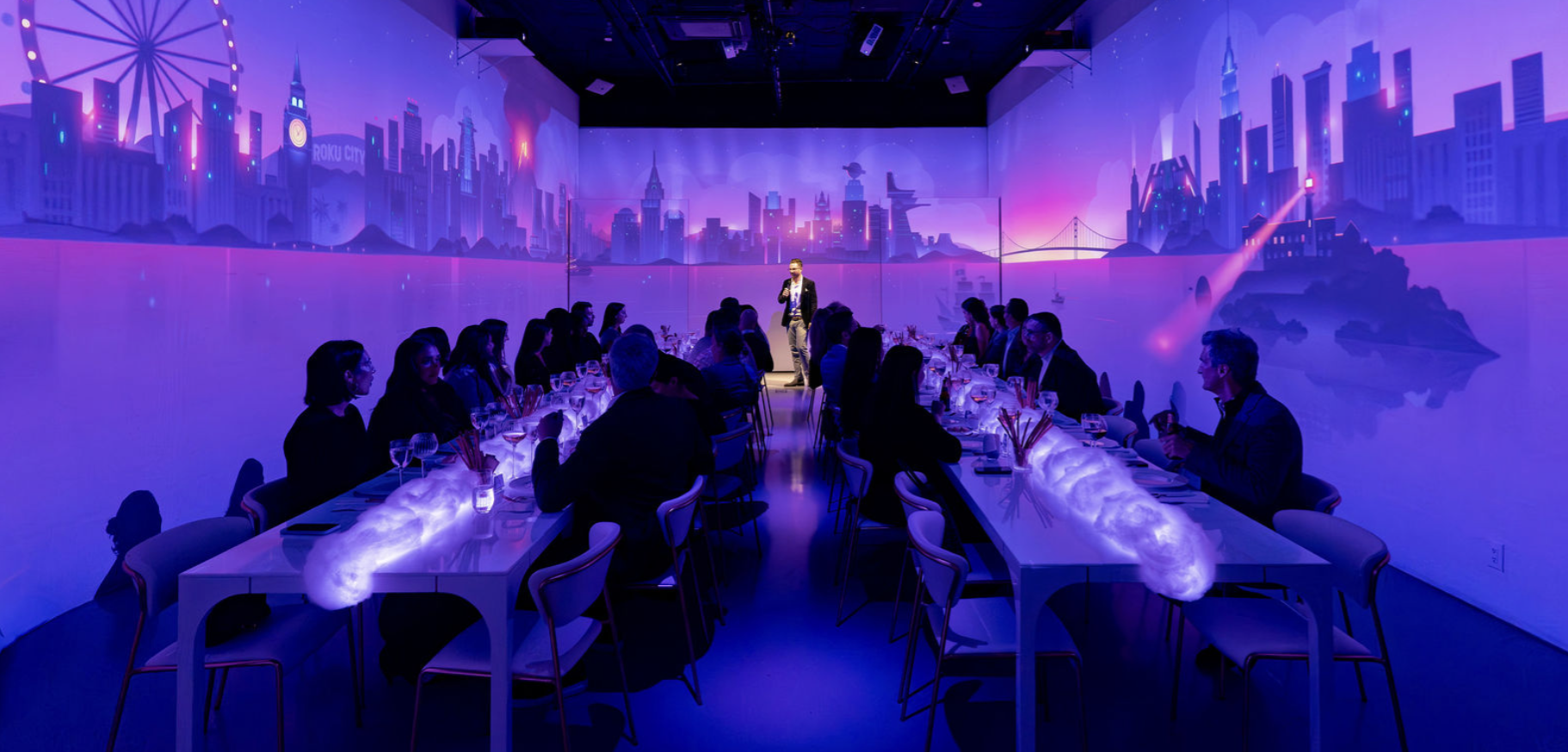
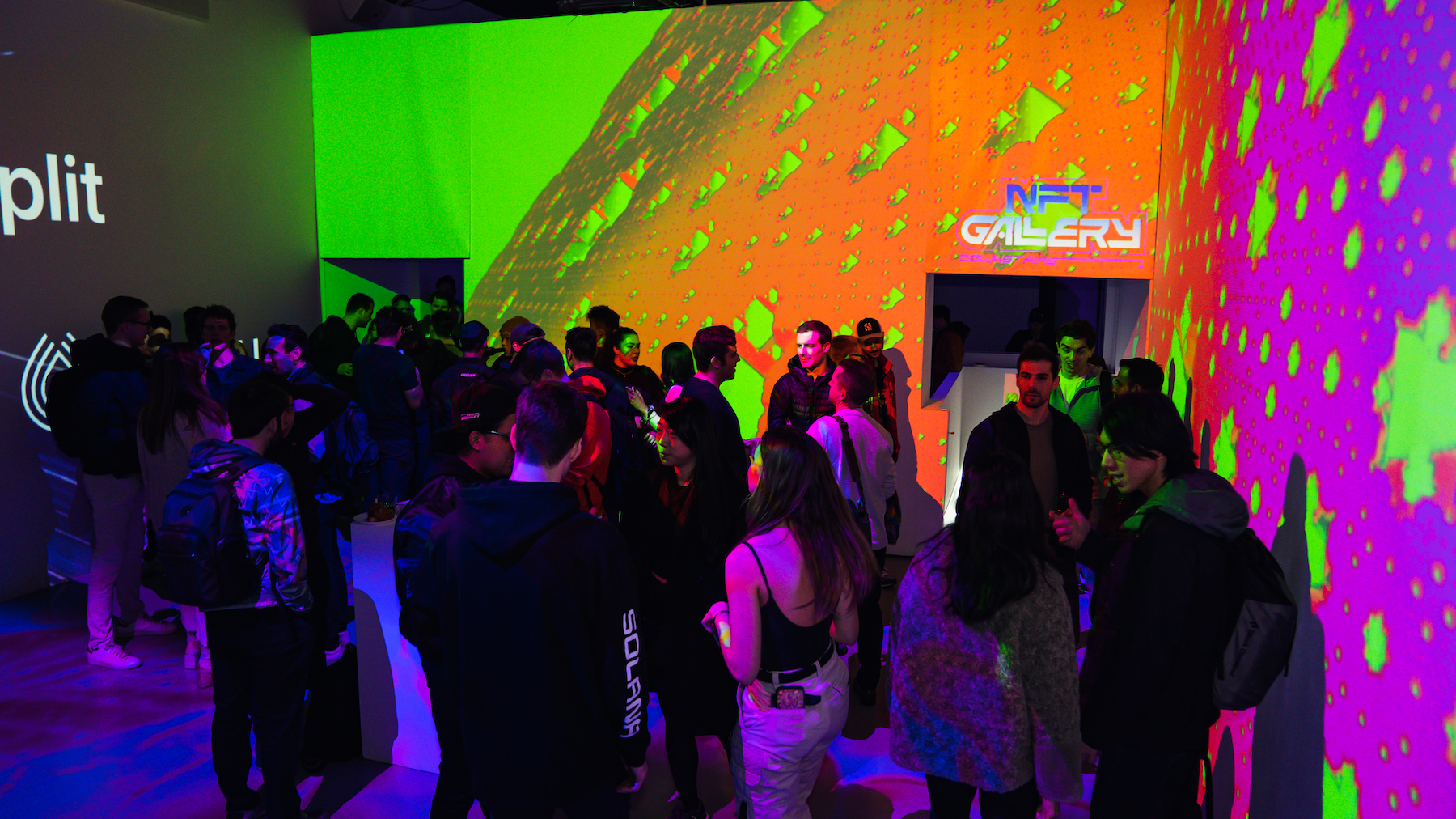
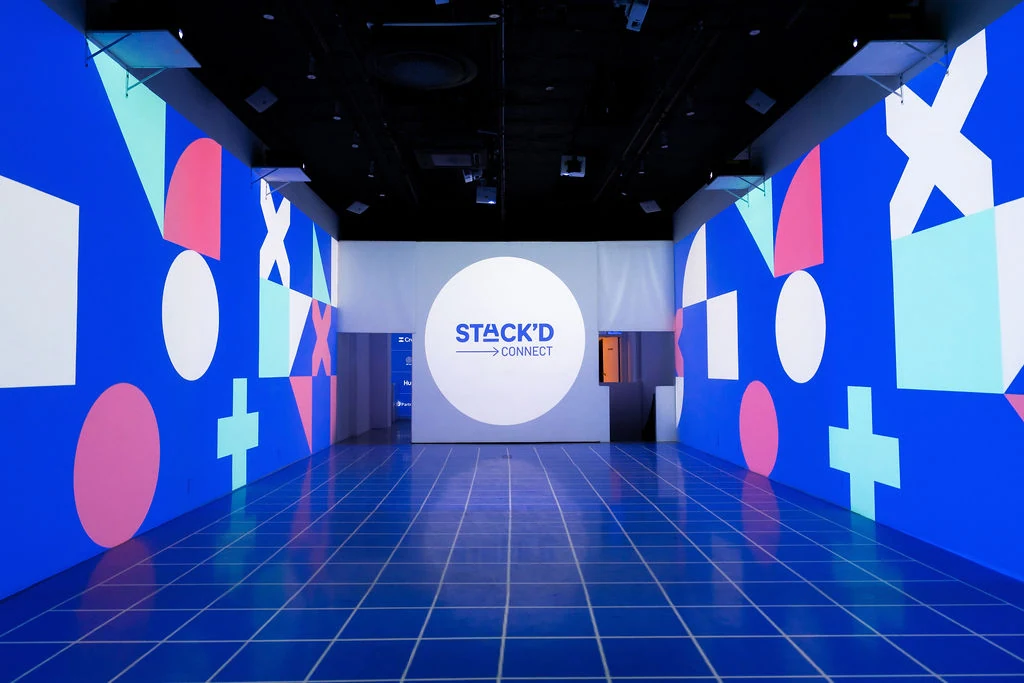
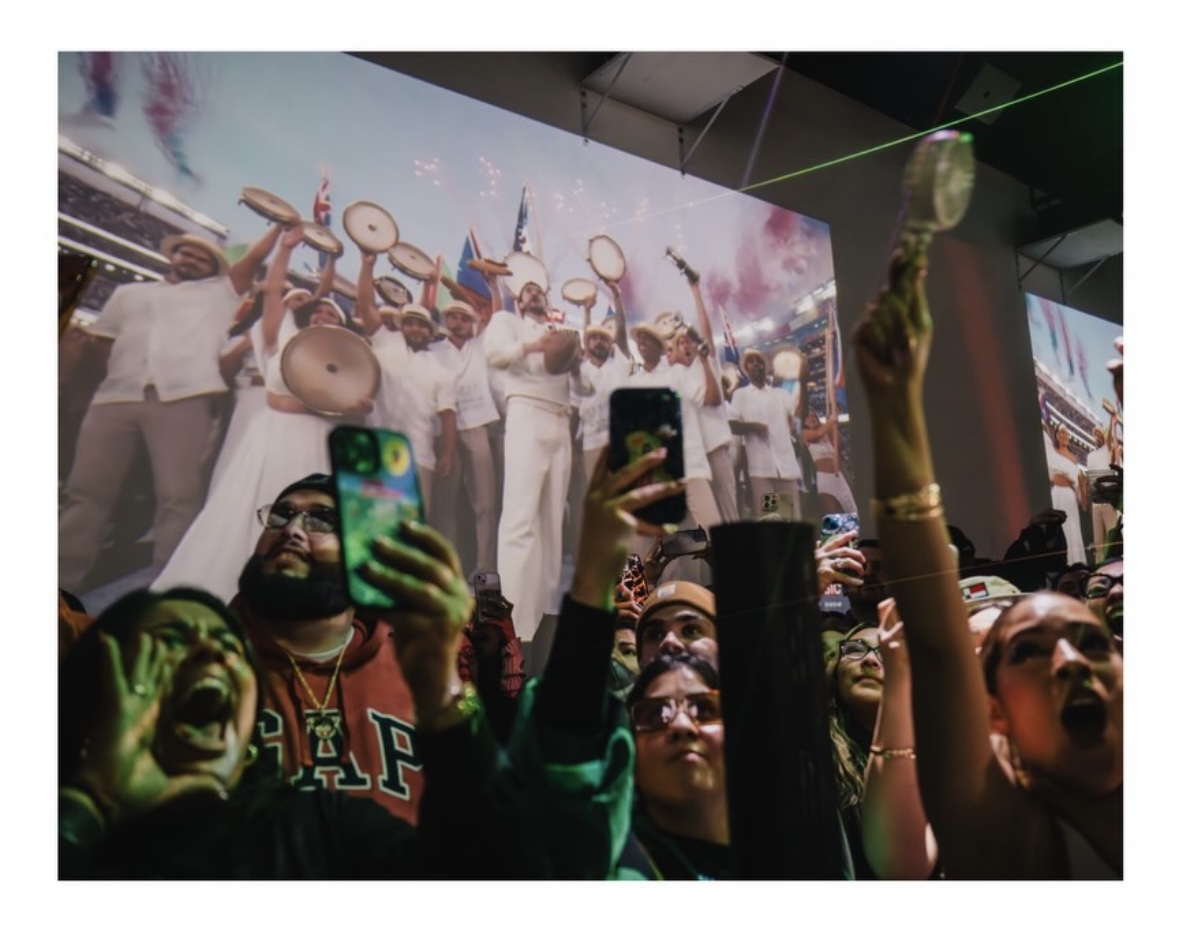
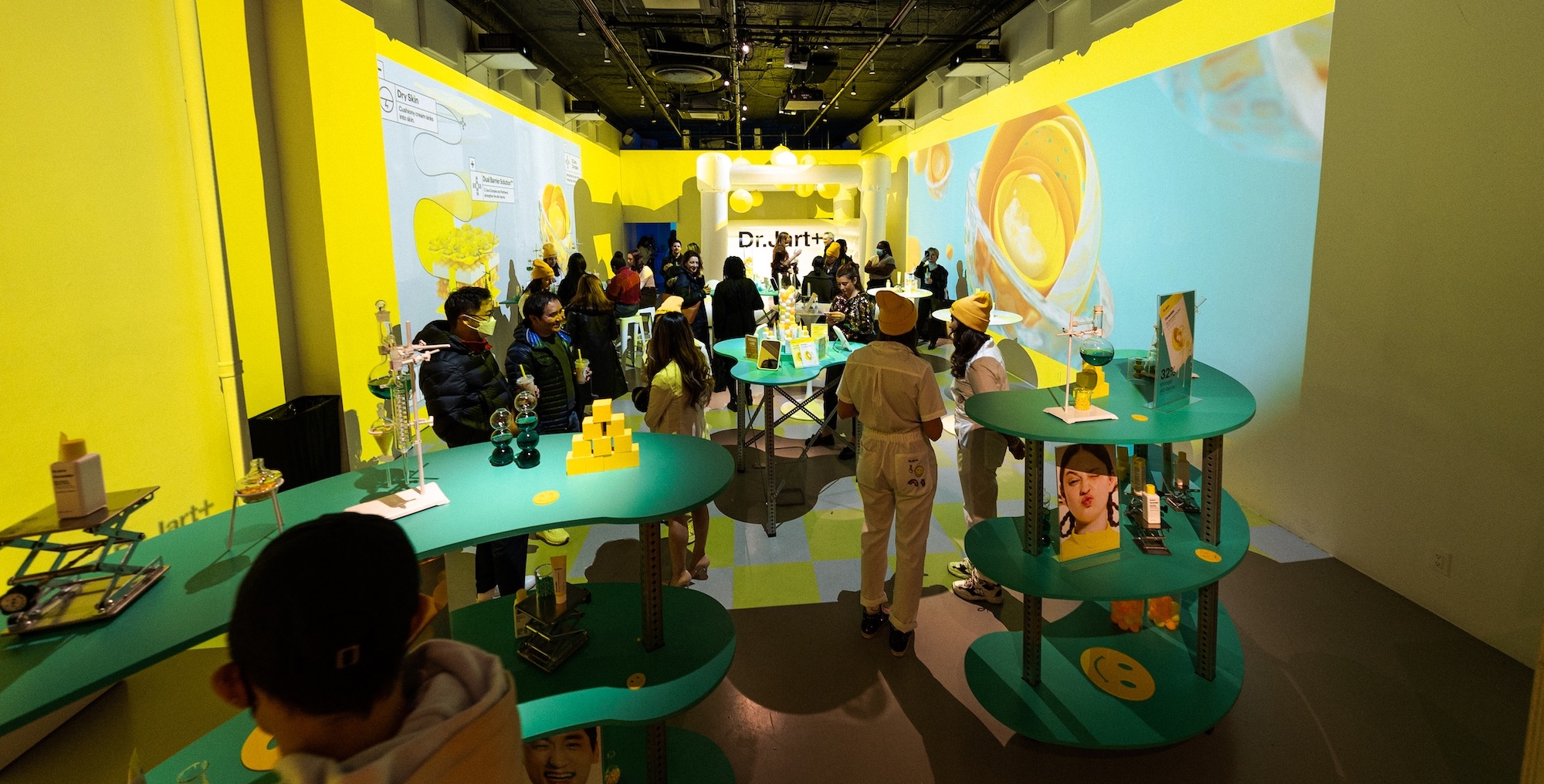
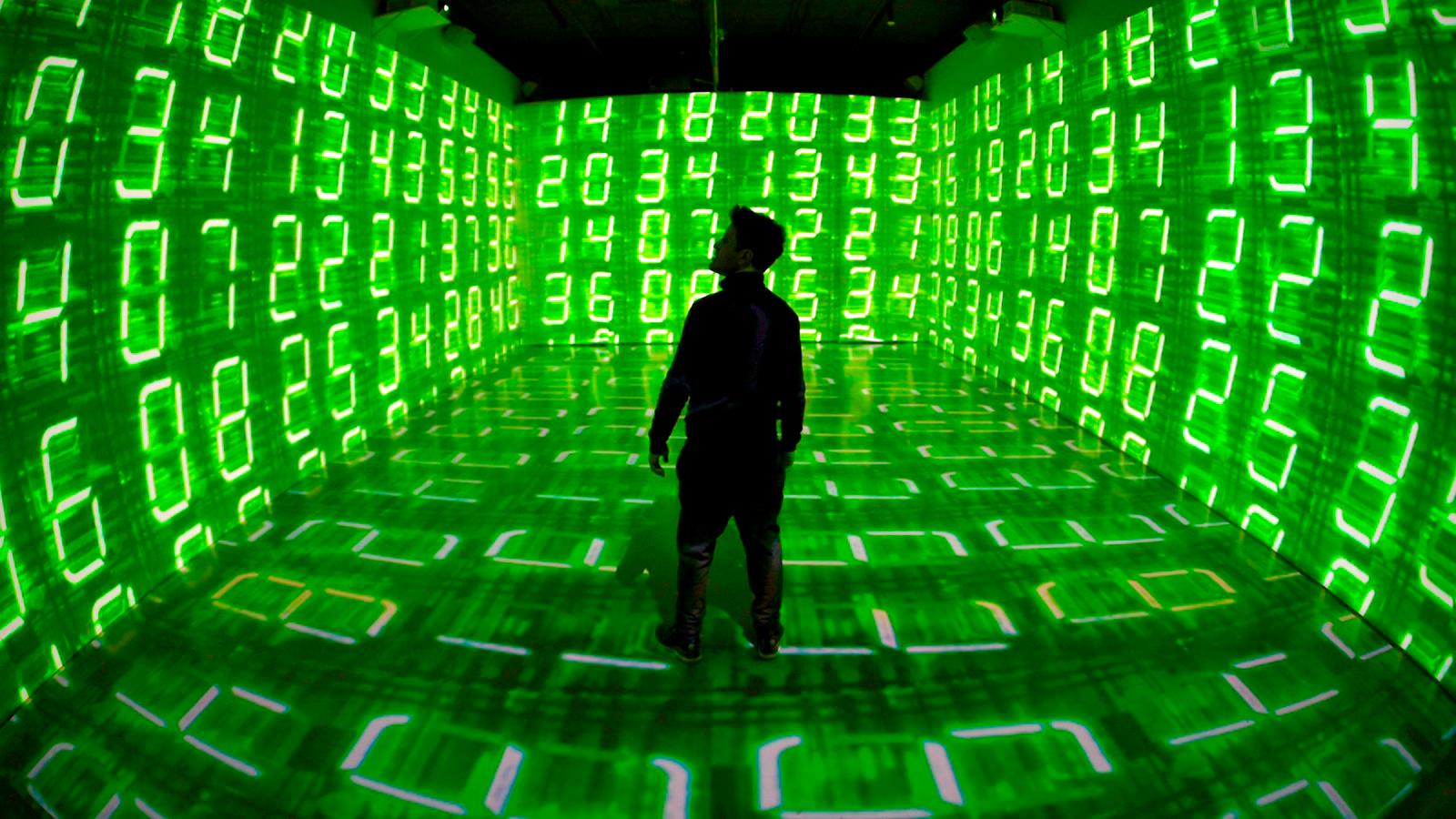
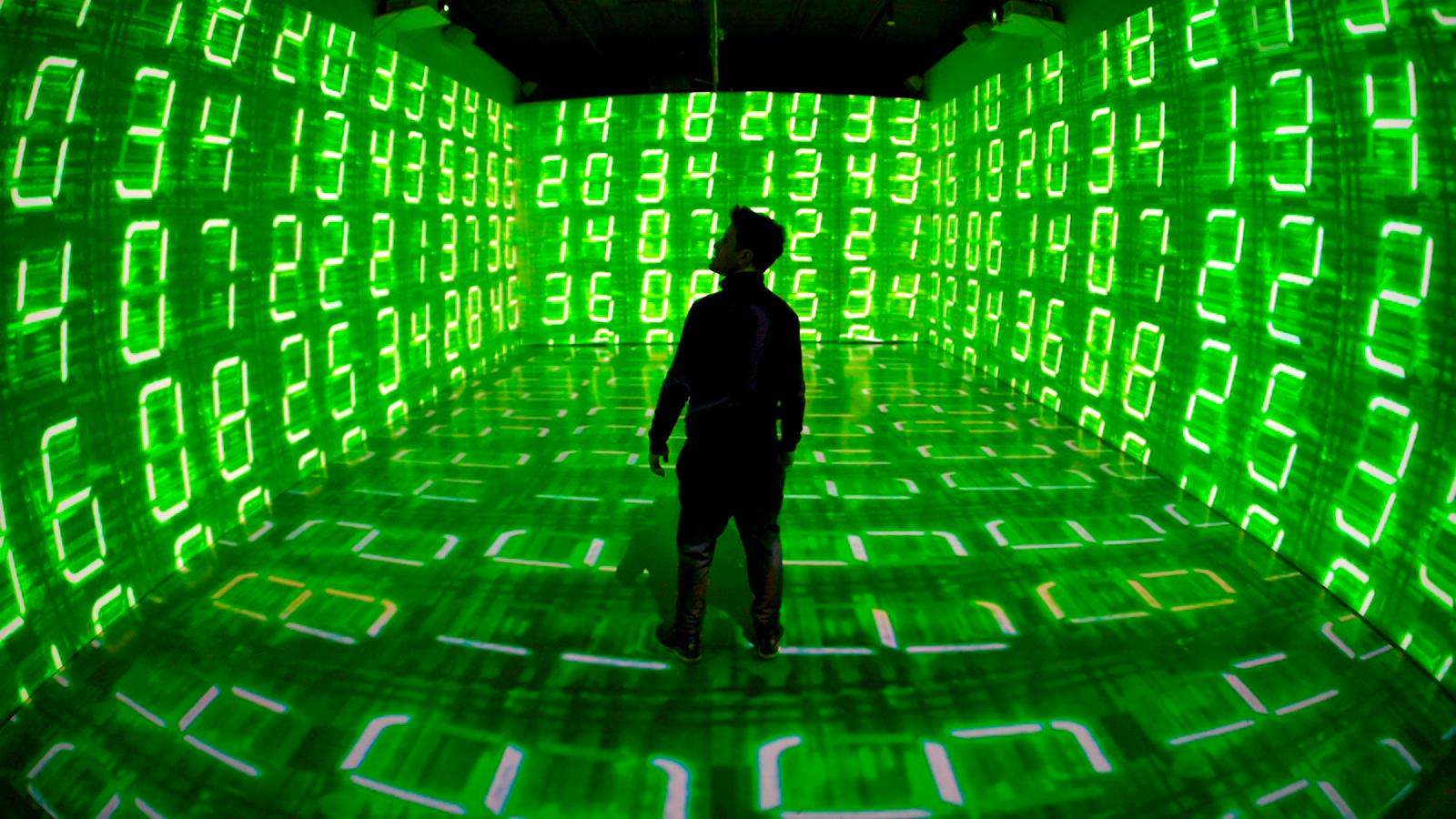
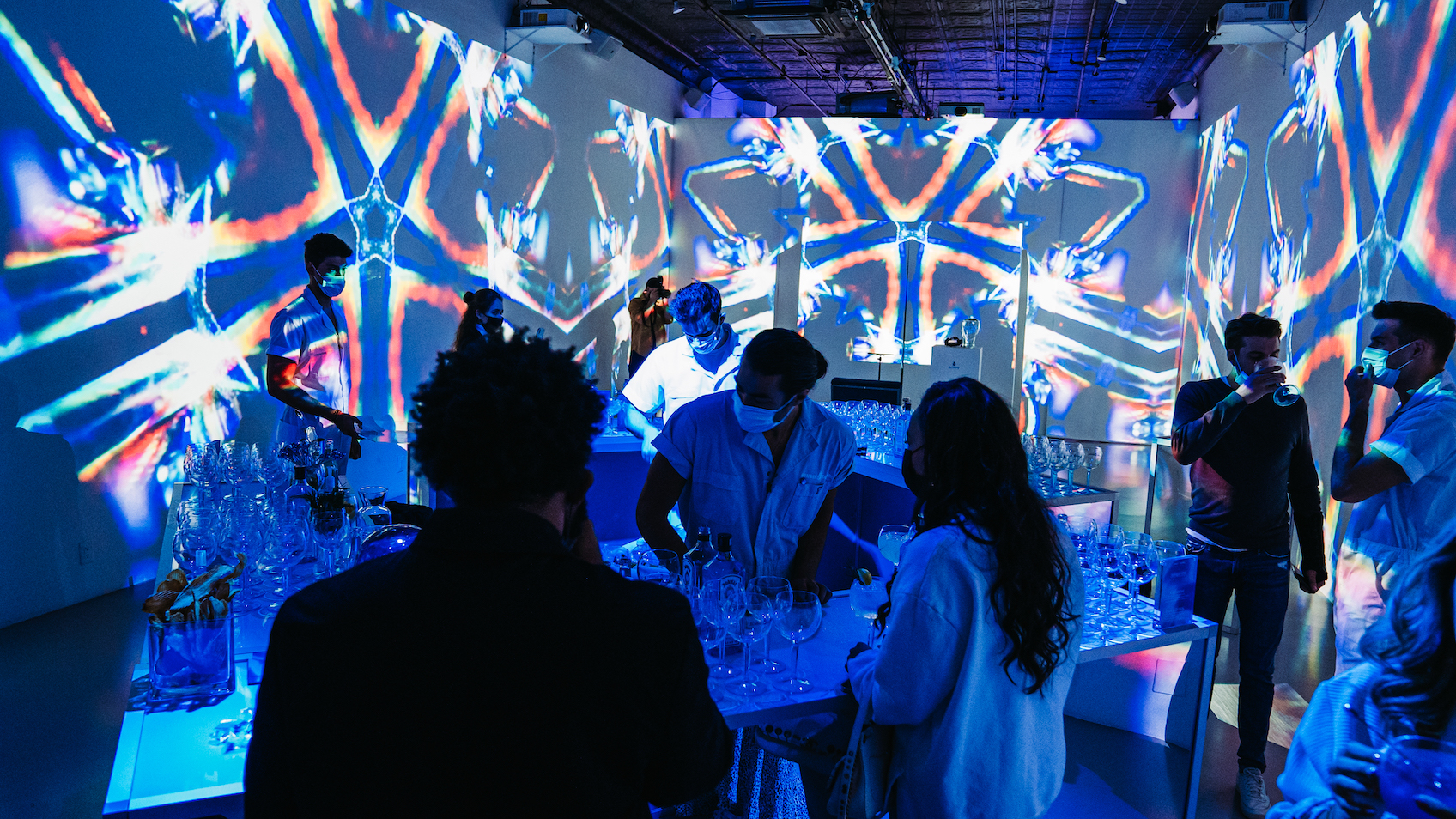
A genuine 360-degree immersive system means projection mapping covering walls, floors, and ceilings simultaneously with seamless blending between projectors and no visible edges or seams. The content wraps the guest completely. That requires a fundamentally different hardware investment and a content pipeline that most venues do not have.

The Five Technical Questions to Ask Any Venue

1. How many projectors does your system use, and what surfaces do they cover?

A single projector produces a single image on a flat surface. It can look impressive in a photo. In person, it is clearly a screen with visible edges and a single light source. A true immersive system requires multiple overlapping projectors to eliminate seams and create a continuous environment.

LUME Studios uses 16 projectors covering walls, floors, and ceilings across 5,400 square feet on five levels. When we say 360 degrees, we mean full surface coverage in three dimensions. When most venues say 360 degrees, they mean one or two walls. Ask for the specific number and coverage area.

2. Who builds the visual content, and what software do they use?

Hardware is only half the question. A projector system without a custom content pipeline is an expensive display screen. The real technical challenge in immersive projection is the software architecture: mapping content precisely to the geometry of each surface, blending overlapping images without visible seams, and building custom environments from scratch for each event.

At LUME Studios, every visual environment is built in house by our creative team using TouchDesigner and Max MSP. We do not use template content or stock visual loops. If a venue cannot tell you specifically who builds the content and what software they use, they are almost certainly running pre-built loops. That is a fundamentally different product.

3. How long does setup and calibration take for your system?

Projection mapping requires precise calibration so that content lines up correctly at every surface edge and corner. This calibration must be redone each time the physical setup changes and takes significant time when done correctly.

If a venue tells you their system takes less than two to three hours to set up and calibrate, they are not doing real projection mapping. A properly calibrated multi-projector system requires dedicated setup time. At LUME Studios, we include a full technical setup and calibration window in every event booking because it is not optional.

4. What is the lumen output of your projectors, and how does the image look with ambient light at 30 to 50 percent?

Lumens measure the brightness output of a projector. Insufficient lumens in a venue with ambient light produces washed-out, dim visuals that look nothing like the marketing photography, which is always shot in full darkness. For a live event where guests are moving around, talking, and the lights are not completely off, you need substantially higher lumen output than most venues have.

Ask to see the system running with house lights at 30 percent. If the venue will only show you the system in complete darkness, that is the answer to your question.

5. Do you have a dedicated technical team on site during every event, or do you rely on outside AV vendors?

During a live event, technical issues happen. Projector calibration shifts. Content needs real-time adjustment. Guest counts change the way the room is used. In a venue with an in-house technical team that built the system, these issues get resolved immediately by people who know the system intimately.

In a venue that relies on outside AV vendors to run a system they did not build, any technical issue requires a call to a vendor who may or may not be reachable, who will charge an additional hourly rate to diagnose and fix something they did not install.

Technical Comparison: Real vs. Marketing Immersive Systems

SpecificationMarketing "Immersive"Real Immersive System
Projector count1 to 28 to 16 or more
Surface coverageSingle wall or two wallsWalls, floor, and ceiling simultaneously
Content pipelineTemplate loops or stock visualsCustom-built per event by in-house team
SoftwareBasic media serverTouchDesigner, Max MSP, or equivalent
Calibration timeUnder 1 hour3 to 8 hours depending on setup
Technical teamOutside AV vendorIn-house team that built the system
Ambient light performanceRequires near-total darknessVisible and compelling at 30 to 50 percent ambient light

Why This Matters for Your Event

If you book a venue based on a marketing description of "360-degree immersive projection" and what you get is a single projector on a wall, your event will not generate the content or the guest experience you planned for. The planning is done, the guests are there, and the visual environment that was supposed to be the centerpiece of the experience is not what was described.

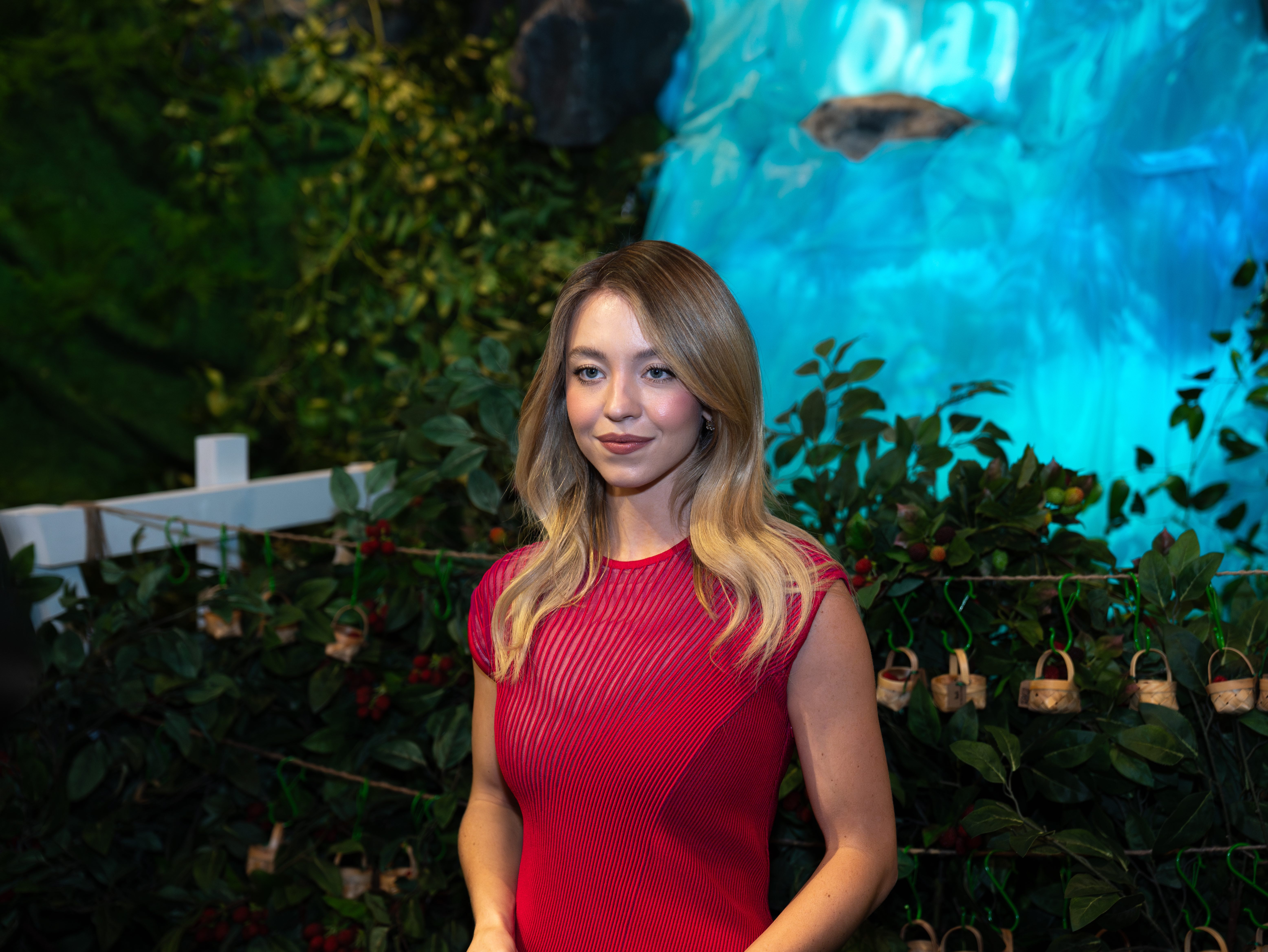
This is one of the most common problems we hear about when brands come to LUME Studios after a disappointing activation at another venue. The venue looked immersive in the photos. In person, during the event, it was clearly a screen.

Frequently Asked Questions

Is projection mapping the same as a large LED screen?

No. An LED screen is a fixed display panel that produces light itself. Projection mapping uses external projectors to cast light onto surfaces, which can be any shape or material. The key difference for immersive events is that projection mapping can cover an entire room simultaneously across irregular surfaces, creating an environment rather than a display.

How many projectors does a real immersive system need?

For a full 360-degree room environment covering walls, floor, and ceiling in a space of 3,000 to 6,000 square feet, a minimum of 8 projectors is typically required to achieve seamless blending without visible edges. LUME Studios uses 16 projectors in a 5,400 square foot space on five levels. More projectors mean higher resolution, better coverage, and more convincing immersion.

What is TouchDesigner and why does it matter for projection mapping?

TouchDesigner is a node-based visual programming environment used by leading immersive experience designers to create real-time generative content and interactive environments. It allows content to respond dynamically to audio, to sensor input, and to live data. Venues using TouchDesigner are building bespoke environments. Venues running static video files through a media server are not.

Can projection mapping work in a venue with windows or ambient light from the street?

Yes, with sufficient lumen output. LUME Studios is located at 393 Broadway with street-facing windows. Our system is calibrated to produce compelling visuals at normal ambient light levels, not just in blackout conditions. Venues that cannot demonstrate their system in ambient light conditions cannot guarantee what your event will look like.

What should I request to see before booking an immersive venue in New York City?

Request a live demonstration of the system running custom content, not a promotional video, in the space with ambient light at a realistic event level. Ask to see content built specifically for a brand that has used the venue, not stock visuals. If the venue cannot provide this demonstration, that tells you what you need to know.

See What a Real System Looks Like

Reading about projection mapping and standing inside a genuinely immersive environment are two completely different experiences. LUME Studios offers free walkthroughs at 393 Broadway in SoHo, New York City. Come see the 16-projector 360-degree system running custom content and decide for yourself.

Book a Free Walkthrough

Contact us: hello@lumestudios.com | (212) 203-3732