One of the most consistently searched questions in event planning communities is some version of: what are the right questions to ask when vetting an event venue? What do venues hope you won't think to ask?
After producing over 1,600 events at LUME Studios since 2016, and watching agencies sign contracts with venues that were completely wrong for their clients' briefs, the answers are clear. Here are the 12 questions that actually matter, and why each one is on the list.
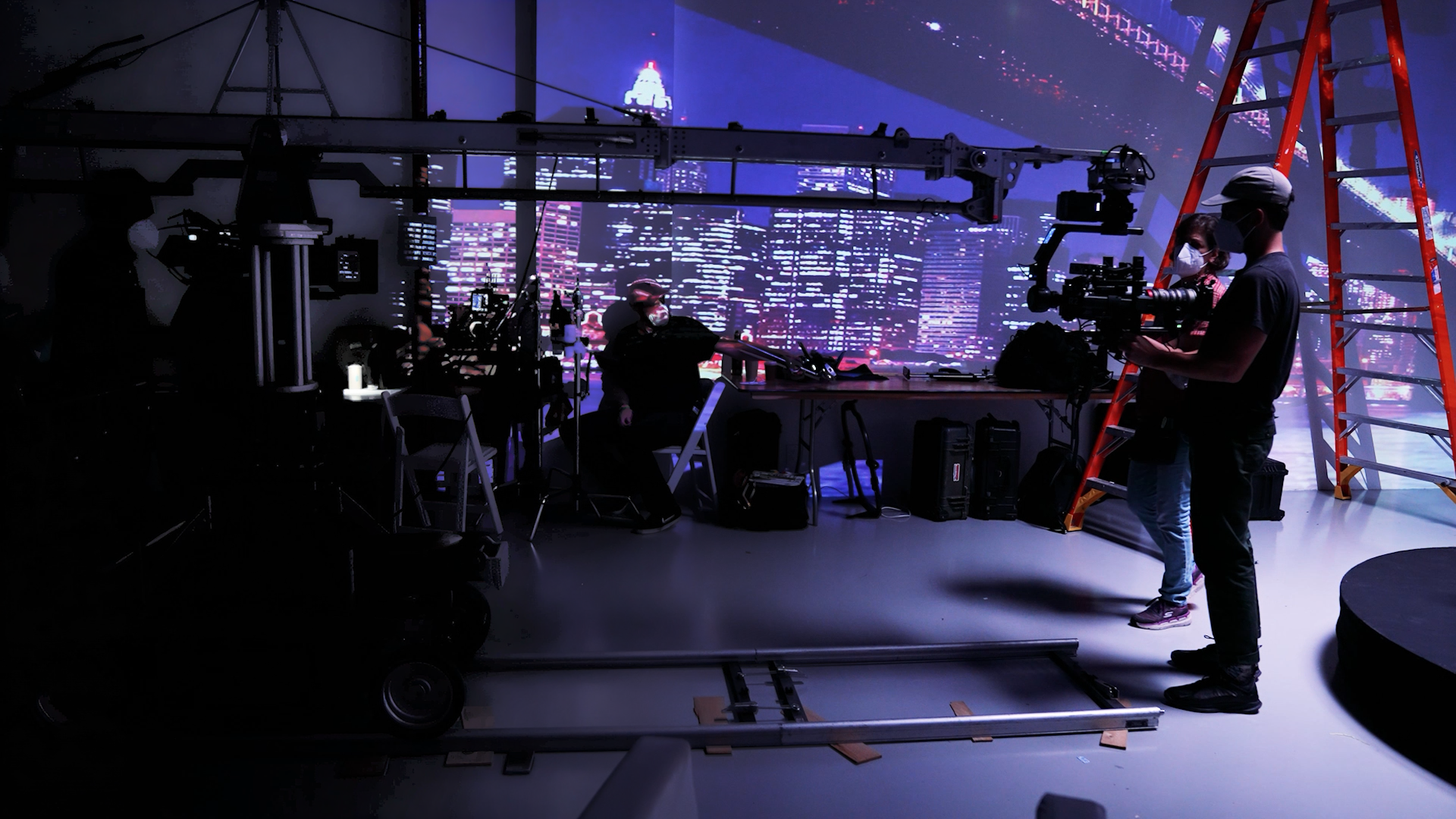
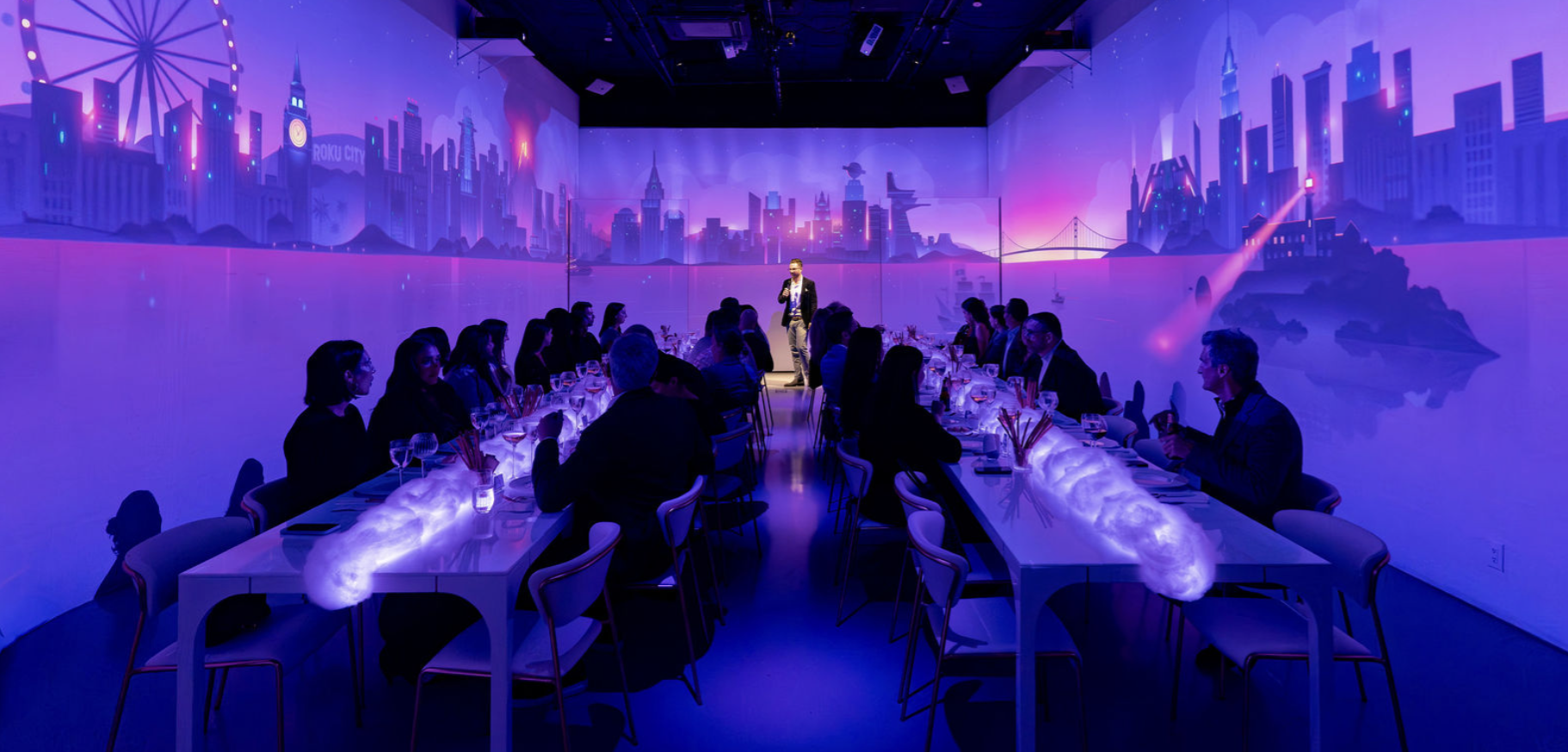
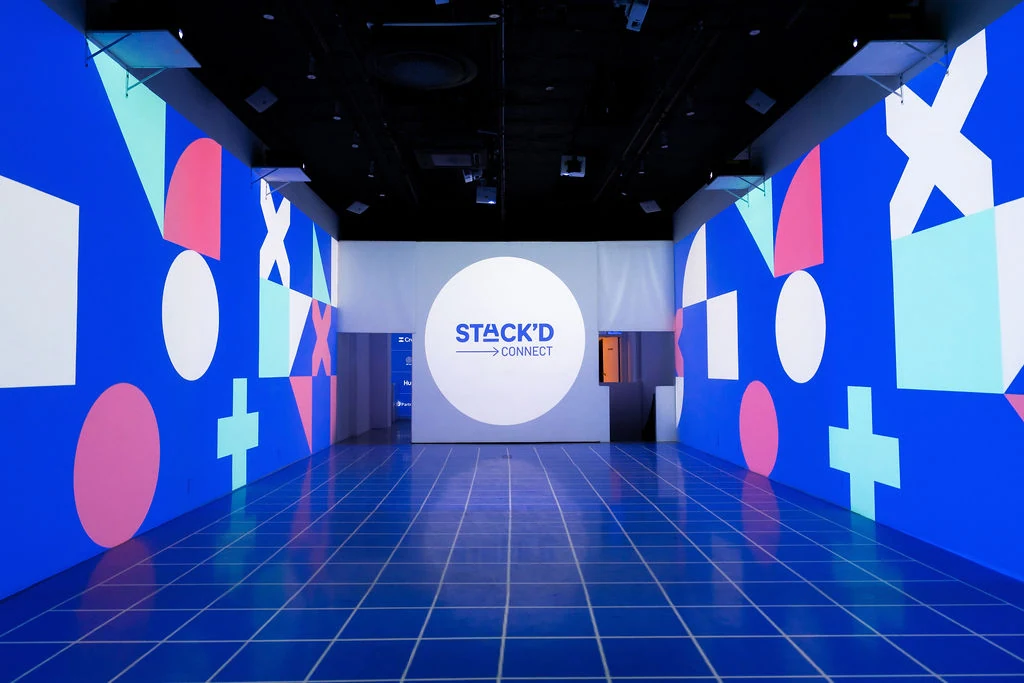
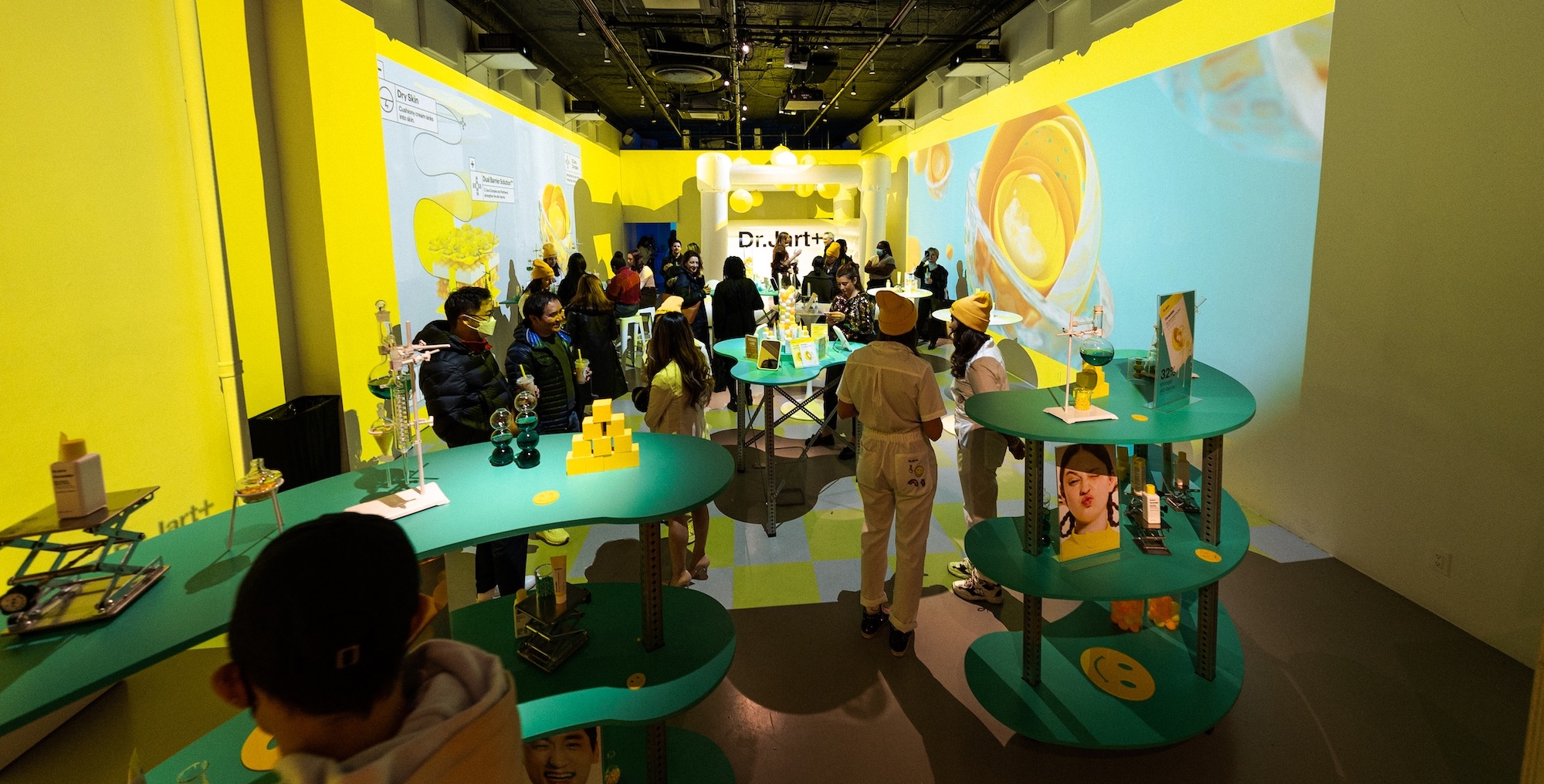
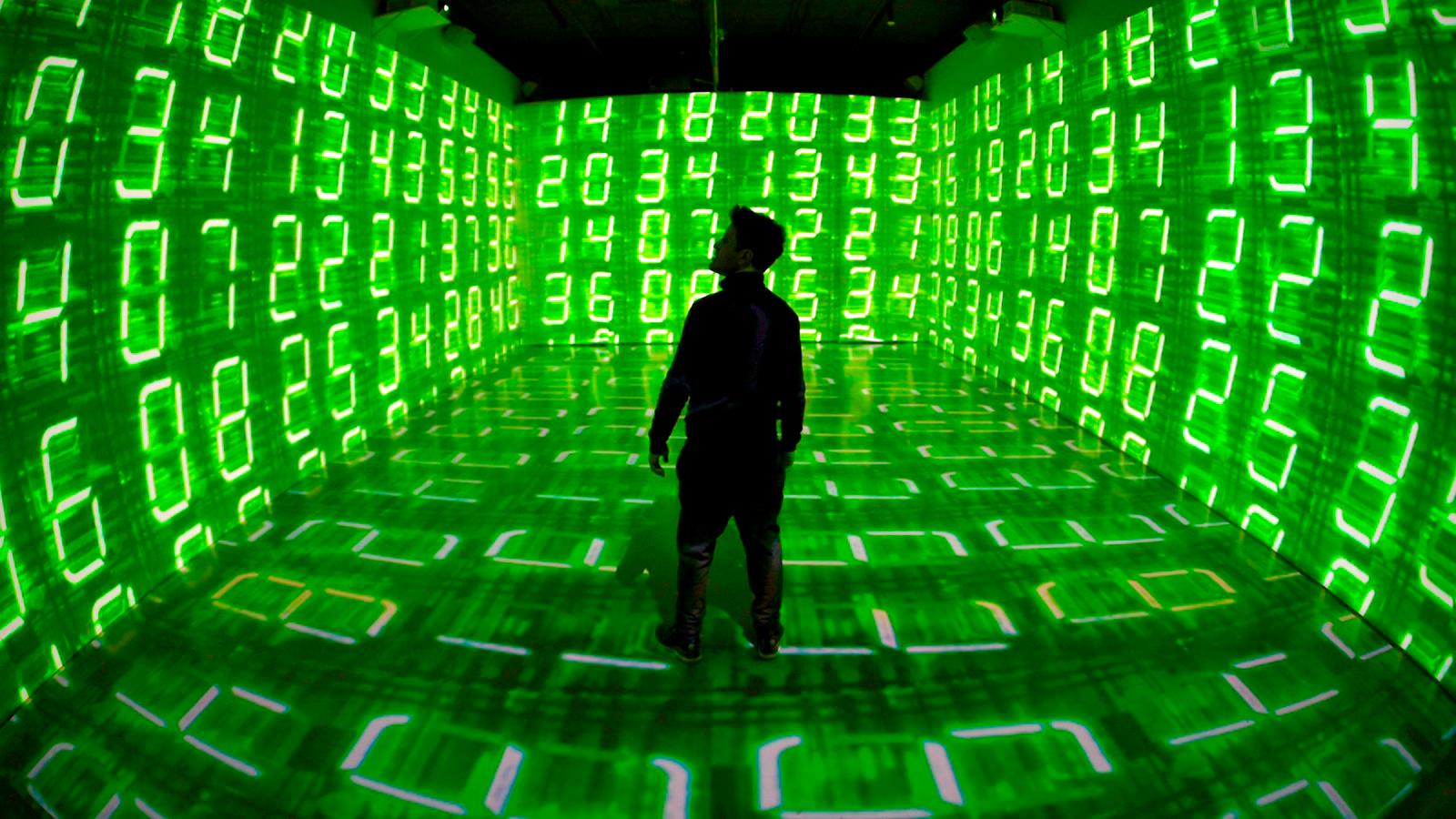
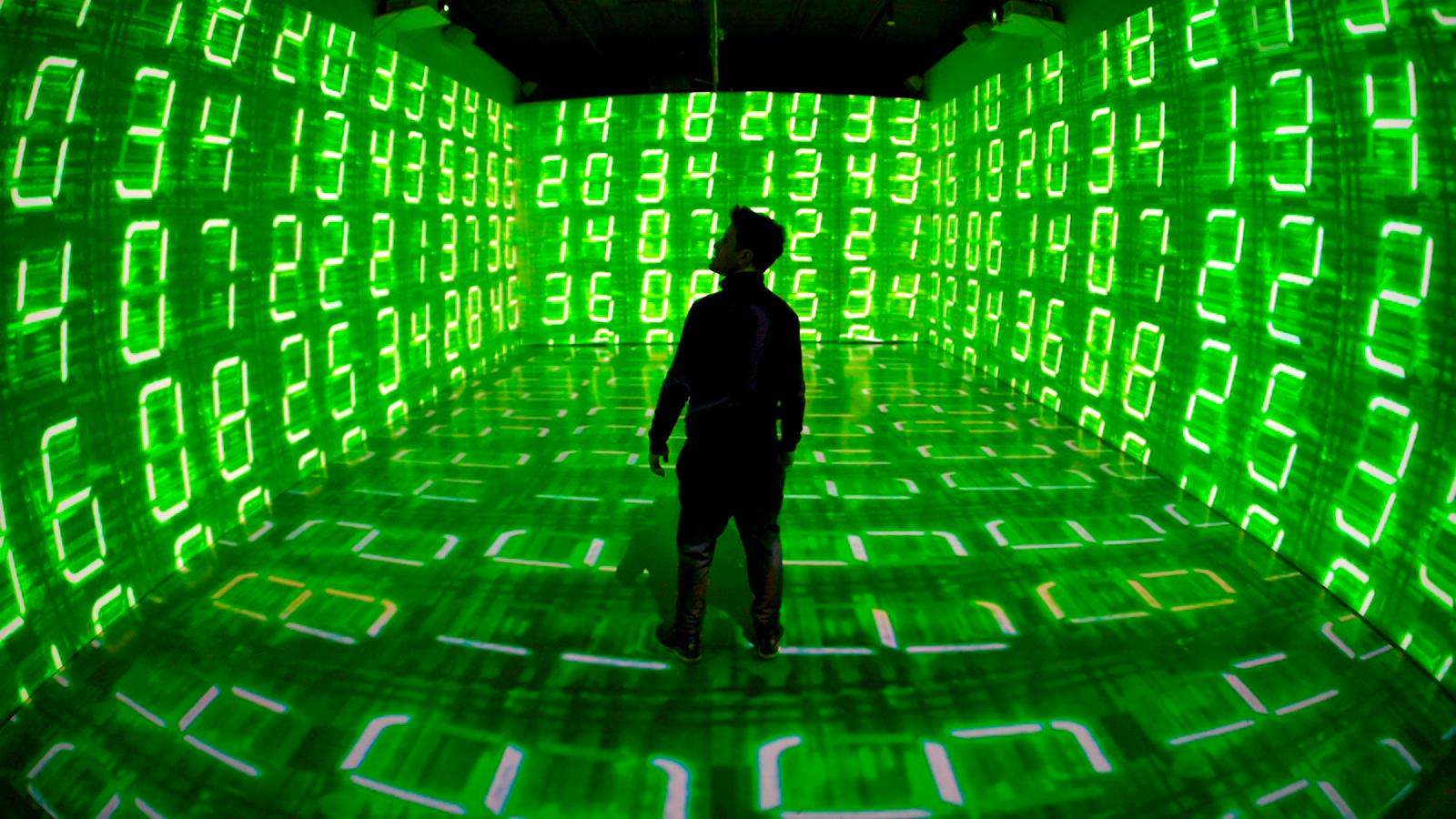
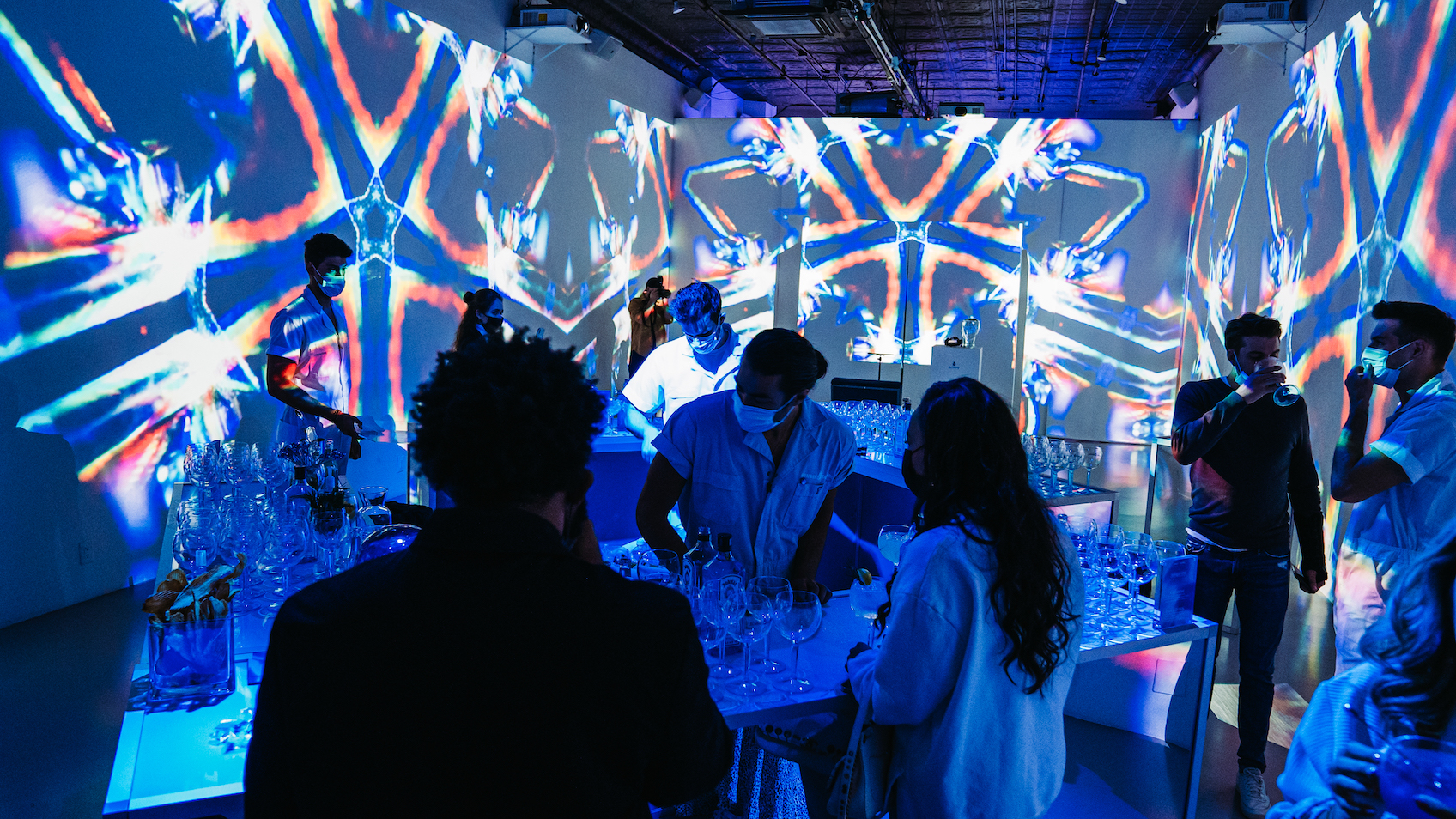
Any venue claiming to be immersive needs to answer this specifically. A single projector on one wall is not immersive. Ask for the number, the lumens, and the surface coverage. For a full breakdown of what separates real immersive systems from marketing claims, see our post on why most venues that claim 360-degree projection are misleading you.
Hardware without a content pipeline is a display screen. Ask if they have an in-house content team. Ask what software they use — TouchDesigner, Resolume, or something else. Template loops are not the same as custom immersive environments, and no client brief asks for a template.
Some venues require you to use their preferred vendors. Some allow outside vendors with insurance certificates. Some charge a fee for outside catering or AV. This affects your total cost and your creative freedom. Get it in writing before you sign. For context on what multi-vendor coordination actually costs when all numbers are included, see the hidden cost of the multi-vendor model.
Load-in time, setup time, breakdown time, cleaning fees, security deposits, staffing minimums, AV technician fees, furniture rental, HVAC, WiFi — all of these can be separate line items. Ask for a fully itemized breakdown before comparing venues. The venue that looks cheapest on paper rarely is when the invoice arrives.
This matters more than most agencies think when booking six months out on a client's behalf. Force majeure clauses, deposit forfeiture schedules, and rescheduling fees vary enormously by venue. One missed clause has ended agency-client relationships.
Hours, elevator dimensions, loading dock access, street parking for production vehicles. A build that requires two days of load-in into a venue with a two-hour window before the event is a production problem that cannot be fixed on the day.
Many venues in residential or mixed-use buildings have strict decibel limits or curfews. Know these before finalizing the production design, not after.
Fire code occupancy and comfortable event capacity are two different numbers. Ask what the venue considers a comfortable working capacity for your specific event type and layout.
For brand activations with live streaming, interactive technology, or large social posting volumes, consumer-grade WiFi will fail. Ask about dedicated bandwidth, guest network versus production network, and maximum concurrent device load.
The answer tells you everything. Confident venues give you references immediately. Hesitant responses are a signal worth paying attention to.
Knowing whether you are dealing with a venue coordinator who hands you off to a day-of team, or a single production partner who owns the event end to end, changes everything about the execution. For agencies managing client relationships, a handoff mid-production is a risk that the client will notice.
Ask specifically: is there an in-house technical team on site, or do you call an outside vendor? The answer to this question determines the day-of risk profile more than any other single factor. For an agency, the answer also determines what you are telling your client when they ask how the venue handles problems.
If you are planning a brand activation in New York City and want to see how LUME Studios answers all 12 of these questions, book a free walkthrough and ask us directly. We will answer every one before you sign anything.