The Difference Between a Pop-Up and a Brand Activation (And Why It Matters for Your Budget)

Pop-up and brand activation are used interchangeably in search results and in briefs. This causes real budget problems. They are genuinely different products that require different spaces, different production investments, and different success metrics. After producing over 1,700 events at LUME Studios since 2016, we have worked with brands on both. Here is the practical distinction and why getting it right before you start planning saves significant money.
What a Pop-Up Actually Is
A pop-up is a temporary physical presence designed to create transactional or trial interactions with a product or brand. The goal is usually product sampling, limited-edition retail sales, consumer research, or building a waiting list. Pop-ups are typically open to the general public, run over multiple days or weeks, and optimized for throughput.
The physical design of a pop-up prioritizes product presentation, flow, and transaction. The success metrics are units sold or sampled, new customer acquisition, and social impressions from general public attendance. Pop-ups are effective for what they are designed to do. They are not brand activations.
What a Brand Activation Actually Is
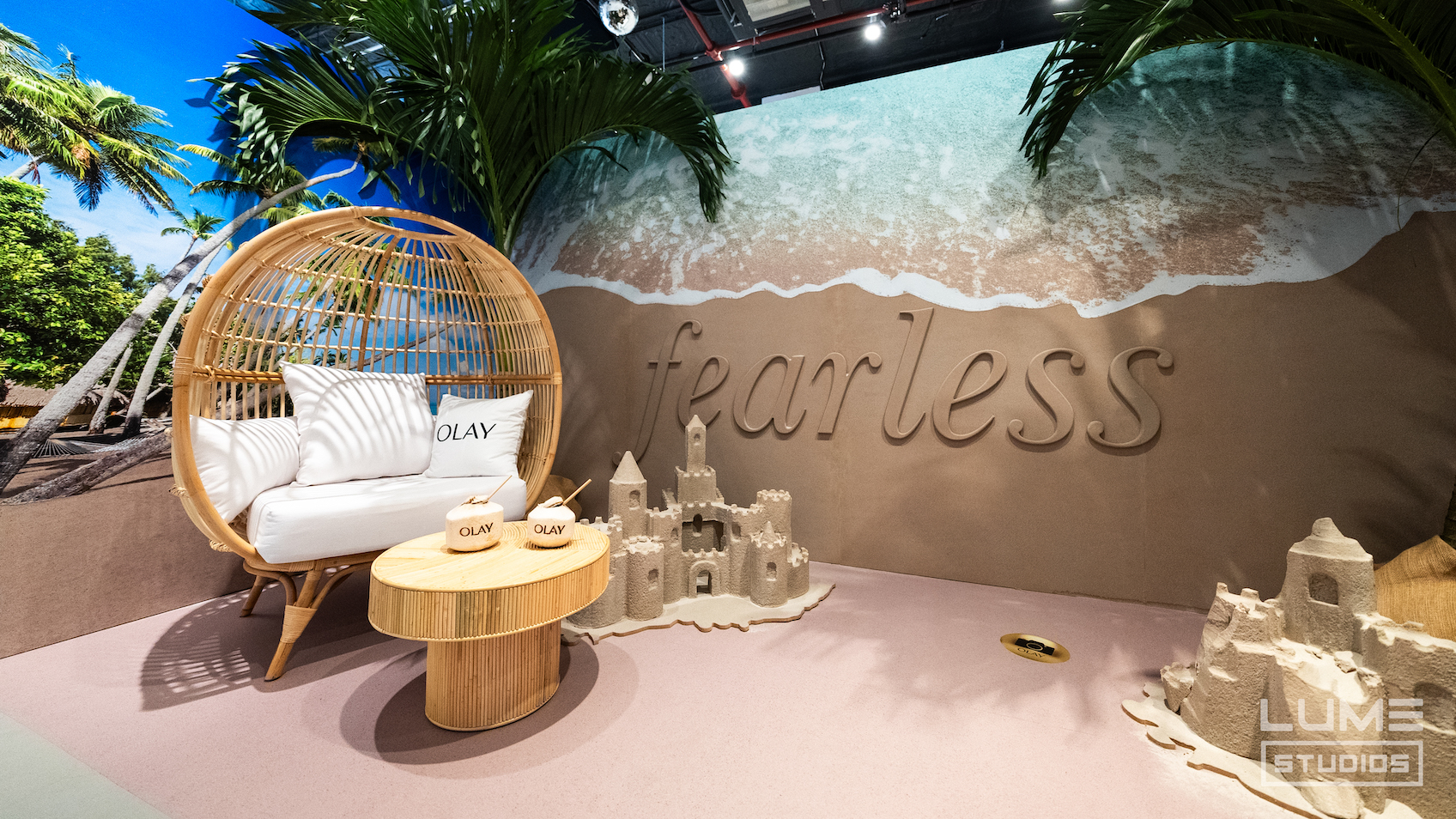
A brand activation is an immersive experience designed to create a deep emotional connection between a specific, curated audience and a brand's identity, values, and product world. The goal is brand memory, relationship depth, and social content creation. Brand activations are typically invitation-only, run for a single evening or a limited number of evenings, and optimized for depth of experience rather than throughput.
The physical design of a brand activation prioritizes environment, narrative, and sensory immersion. The success metrics are content quality and reach, press coverage, relationship outcomes, and the quality of the shared experience created among the guest list.
How to Know Which One You Need
If your primary goal is product trial and sampling, you need a pop-up in a high-traffic street-level location. If your primary goal is brand memory, social content creation, or press coverage, you need a brand activation in a controlled immersive environment.
The brief tells you which one. A product-centric brief with trial and sales as the primary metrics is a pop-up brief. An experience-centric brief where the primary metrics are content, relationships, and memory is an activation brief. A $30,000 pop-up and a $30,000 brand activation are completely different products. Applying a pop-up cost framework to an activation brief consistently produces underfunded, underbuilt events that disappoint on both the experience and the content.
What Agencies Need to Know
The most common version of this confusion in agency work: a client brief says "we want a pop-up" but the goals are brand memory, press coverage, and content creation. Those are activation goals. The venue the client is picturing, street-level, public-facing, high foot traffic, will not deliver them.
The conversation worth having early: what is the primary metric this event needs to move? If the answer is transactions or trial volume, find a street-level pop-up space with high pedestrian traffic. If the answer is brand perception, content output, or relationship depth, find an immersive private venue and build a proper activation. The brief, the budget, and the space need to be aligned before production starts, not after the contract is signed.
LUME Studios is a NYC brand activation agency with its own immersive space at 393 Broadway, built for brand activations: immersive, invitation-only, experience-first. If you are planning an activation and want to make sure the brief, the budget, and the space are aligned before you commit, start with a conversation.
Contact us: hello@lumestudios.com | (212) 203-3732
Download the full PDF
19 pages. 46 sources. Every figure traced back to the people who measured it. Enter your email and the PDF opens right away.
We'll send the next edition when it's out. No spam.