
What Happened After the Event Was Over: How LUME's Best Activations Kept Working for Weeks

The ROI Question That Never Gets a Straight Answer
In brand marketing communities online, one question comes up in almost every thread about experiential marketing: how do you actually measure ROI from a live brand activation, and what makes event content keep working after the event is over?
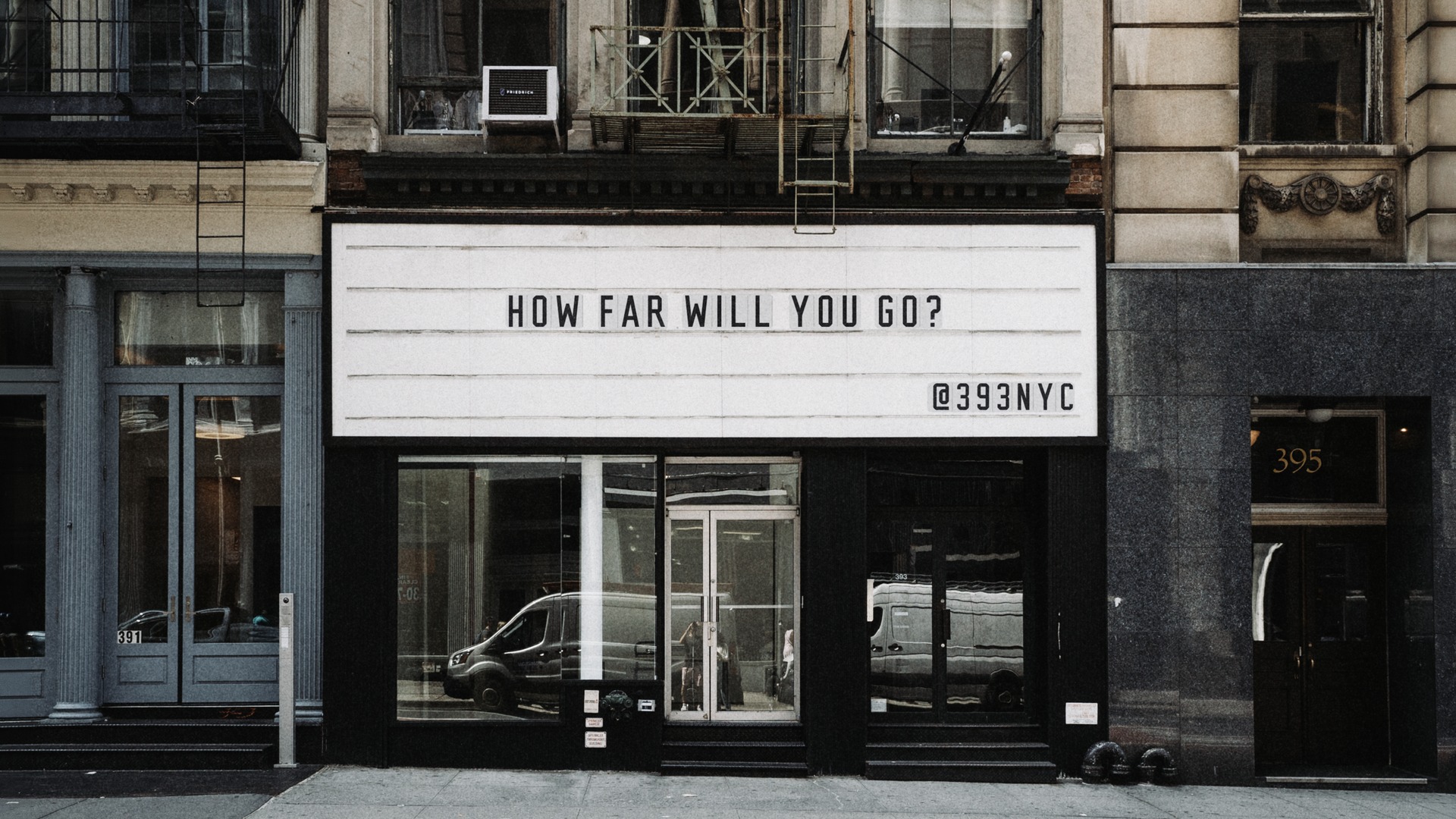
Most answers focus on day-of metrics: headcount, social impressions in the first 24 hours, immediate press pickup. Those numbers matter. But after producing over 1,600 events at LUME Studios at 393 Broadway in SoHo since 2016, the pattern is consistent: the best activations do not peak on event day. They build for 2 to 3 weeks afterward. For a full framework on measuring this properly, see our guide on how to measure immersive event ROI.
For agencies, this matters because post-event content life is what makes the case for the next activation budget. A campaign that keeps generating impressions for three weeks is a much easier sell to a CMO than one that peaked on a Tuesday night and was forgotten by Thursday.
The Three Design Decisions That Determine Content Longevity
Decision 1: Did you build a visual world or a branded backdrop?
Events built around a complete visual environment, where every surface tells a coherent story, produce content that stays interesting in a social feed for weeks. Events built around branded backdrops produce content that peaks in the first 4 hours and disappears from feeds by the next morning.
The difference is not budget. It is design intent. A $20,000 activation with a purpose-built visual environment will generate more post-event content than a $50,000 activation that puts a logo on a step-and-repeat and calls it immersive.
Decision 2: Did the experience contain genuine surprise?
Surprising experiences become stories that guests tell other people. Stories generate second-order sharing. The Roku executive dinner at LUME Studios, featuring tabletop projection mapping on the dining surface, generated ongoing conversation for weeks because guests were describing something most people had never seen. That description travels. A nice dinner in a nice room does not.
Decision 3: Did the event have a narrative hook that press could use without attending?
The best activations have a one-sentence story that works as a headline. The Countless Yards Super Bowl watch party had one: Bad Bunny's historic halftime performance, experienced inside 360-degree projection, with Puerto Rican food and 200 people singing every word. That story wrote itself. Events without a narrative hook are hard to cover after the fact, and press coverage is the highest-leverage post-event content because it carries third-party credibility that owned social content cannot replicate.
What This Means for Agencies
The brief is where content longevity is won or lost. By the time the event is being built, the decisions that determine whether content lives for 24 hours or 3 weeks have already been made.
The questions to add to every activation brief: What is the one-sentence story a journalist could write without attending? What is the moment in this event that guests will describe to someone who was not there? Does the visual environment justify a return visit to someone's camera roll a week later?
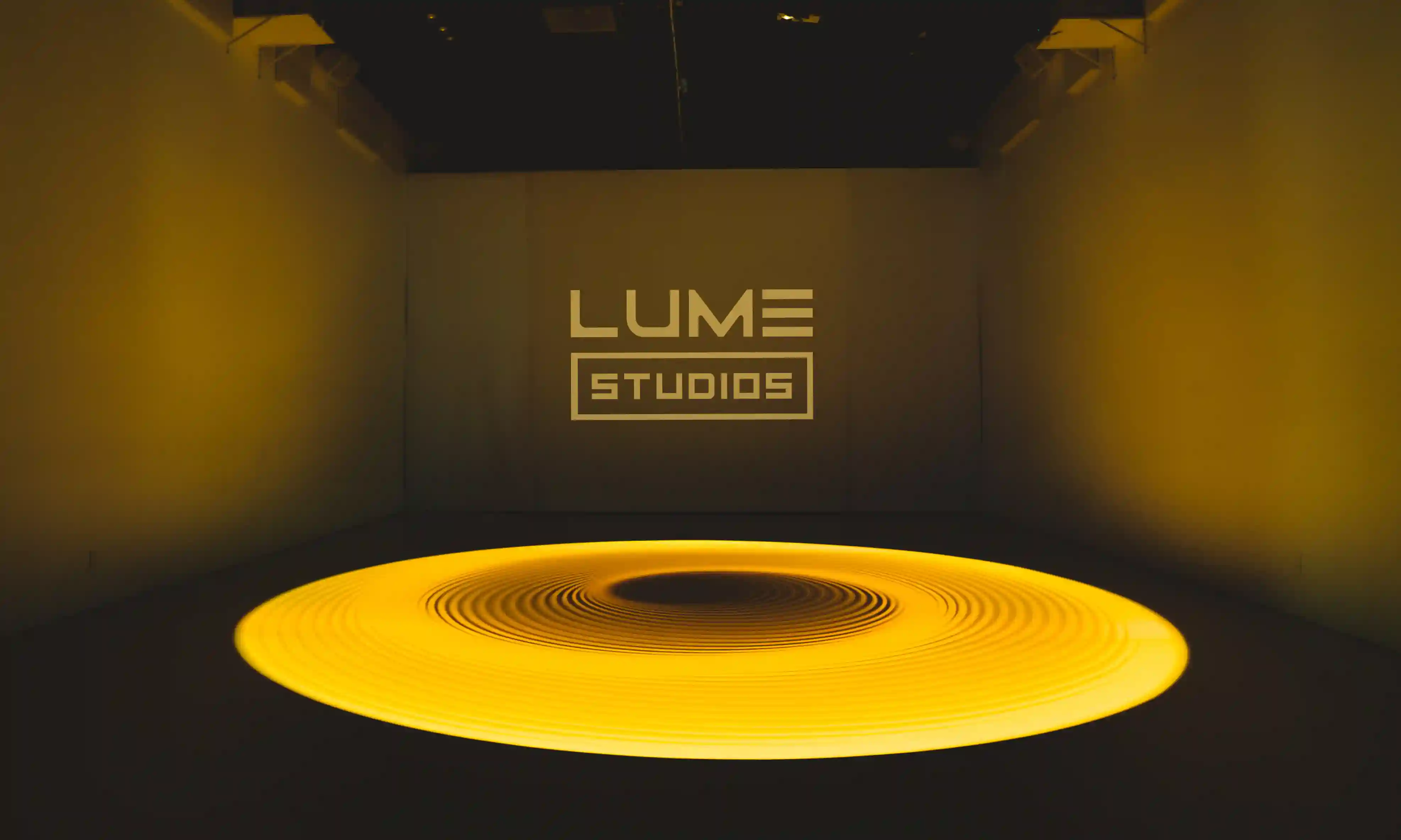
LUME Studios is built around these questions. The 16-projector 360-degree system, the tabletop mapping capability, the full-building takeover option, and the in-house content team all exist to produce environments that generate content worth sharing long after the event ends. When agencies bring clients to LUME, the post-event content case is built into the space itself.
Key Takeaways
- The most valuable brand activation content is produced by guests in the first 4 hours of the event, not by production teams in the days after.
- Events designed for content longevity consistently outperform events designed for day-of impact when measured 30 days post-event.
- The Bai x Sydney Sweeney activation at LUME Studios generated press coverage and social content for more than 3 weeks after the event date.
- Three design decisions determine whether event content has a 24-hour or 3-week shelf life: the visual environment, the surprise factor, and the narrative hook.
- Agencies that build content longevity into the brief deliver more measurable value to their clients.
Design Your Next Activation for What Happens After
At LUME Studios, every production at 393 Broadway in SoHo is designed with post-event content life as an explicit goal from the first brief. If you want to understand what drives guests to share in the first place, read our analysis of what 1,600 events taught us about what makes people share.
Contact us: hello@lumestudios.com | (212) 203-3732
Download the full PDF
19 pages. 46 sources. Every figure traced back to the people who measured it. Enter your email and the PDF opens right away.
We'll send the next edition when it's out. No spam.
.jpeg)