Agency + Venue: How Sportfive and LUME Split the Dropbox Dash Executive Dinner

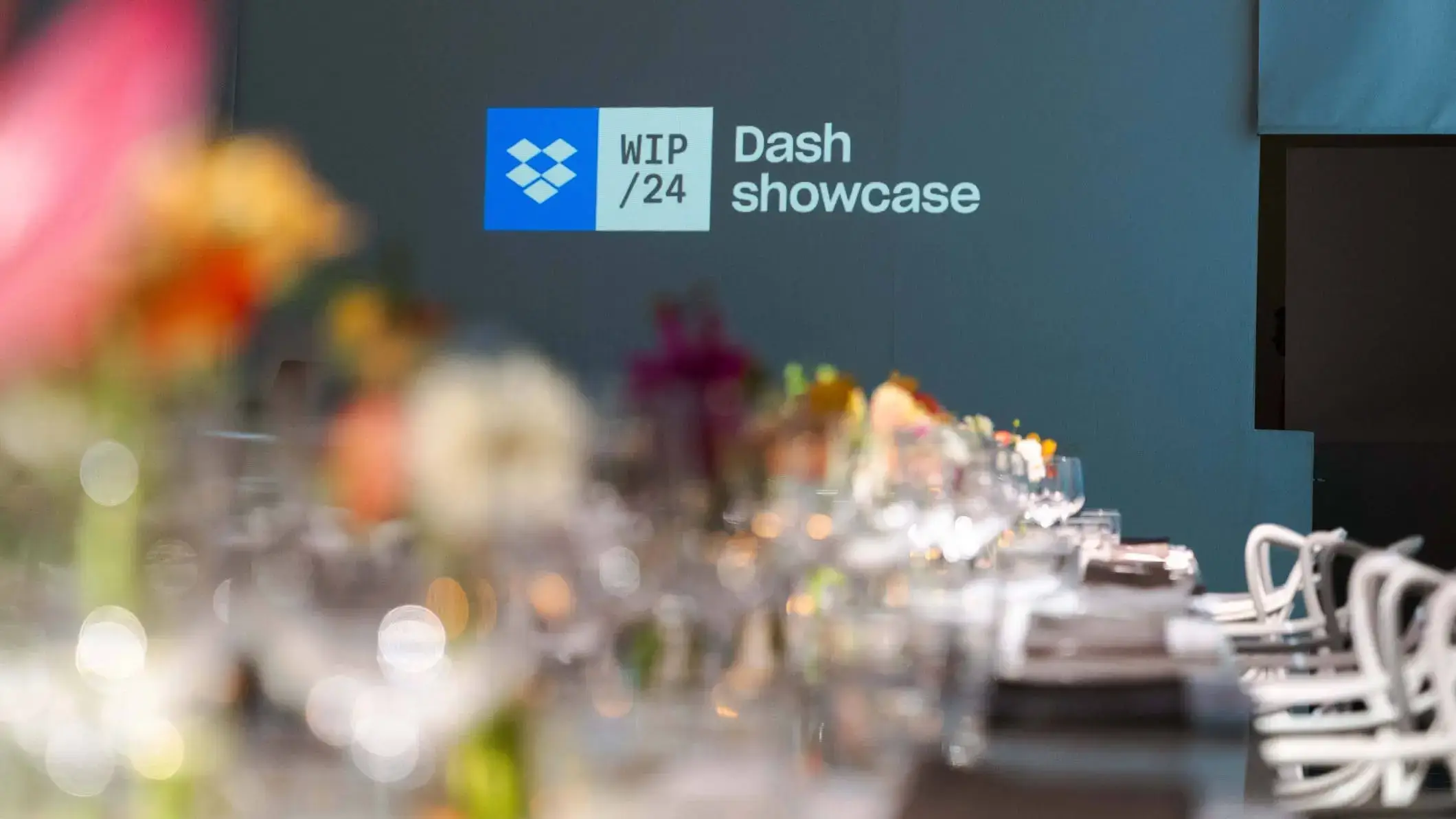
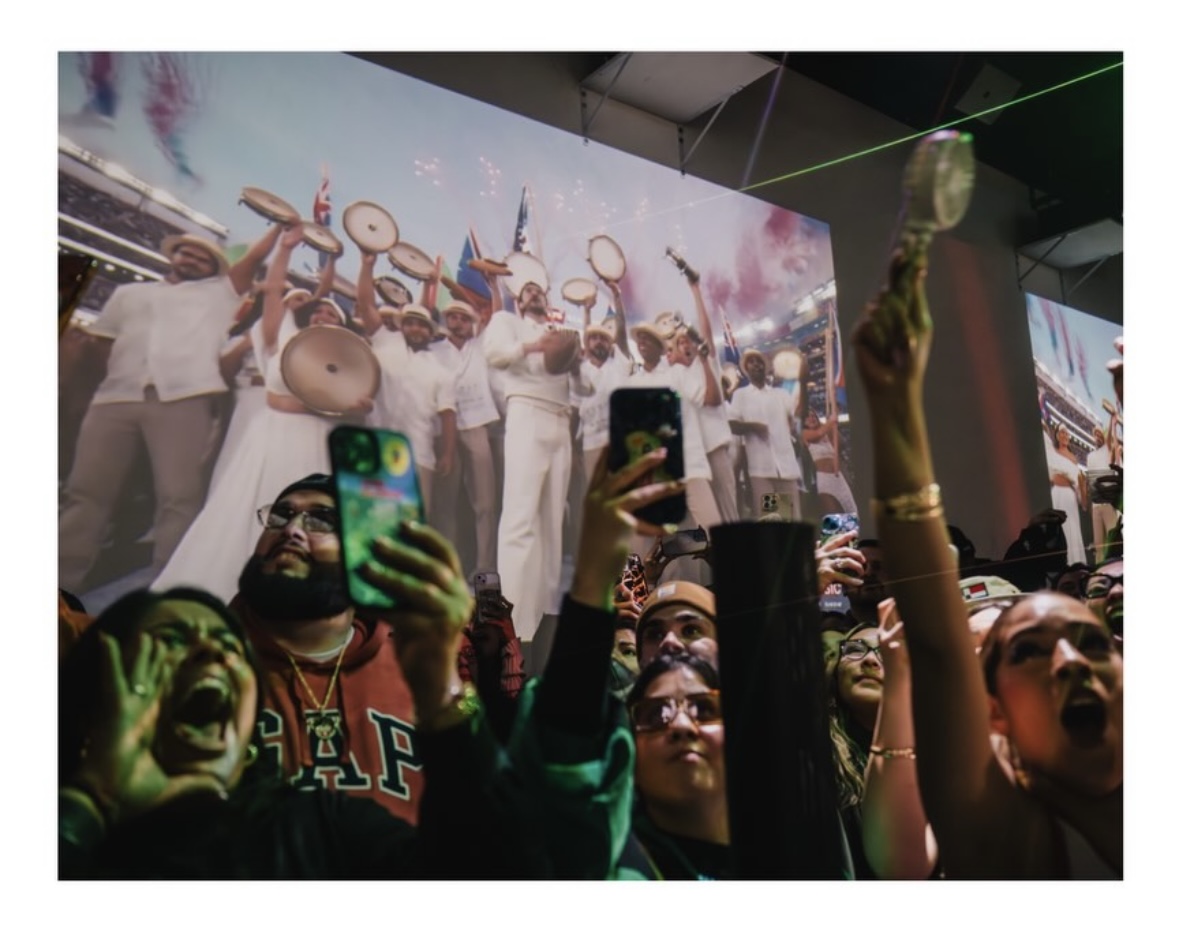
On October 22, 2024, Dropbox hosted 50 enterprise executives and clients for a private dinner at LUME Studios. Midway through the meal the room turned into a product stage for 20 minutes, showed Dropbox Dash, and then went back to being a dining room. Nobody moved a table.
The evening had three partners. Sportfive, the agency that runs Dropbox's experiential work, owned the brief. LUME owned the venue, the production and the AV. Resident, with Chef Will Ono, owned the food. This post is about how that split worked, because it is the question agency producers ask us most often: what do you hand to the venue, and what do you keep?
What Sportfive kept
Sportfive led strategy and the client relationship. They wrote the brief, set the guest list logic with Dropbox, and sourced the furniture and the wider environmental treatment. They were the people Dropbox called.
The brief itself was short. Host 50 enterprise-tier guests. Make the evening feel as considered as the product. Put a product moment inside the dinner without breaking it. No hotel ballroom, no slide deck.
What LUME took
LUME ran the room and everything that plugged into it:
- Venue and floor plan for 50 seated, inside LUME's 360-degree projection system
- Projection content playback and the cue stack for the reveal
- Lighting for two states: dinner and presentation
- Audio mix for the live presentation
- Coordination across catering, AV and guest experience on the night
- Video and photo capture, edited for Dropbox's internal and external use
We also brought in the culinary partner. That is worth noting for agency teams. A venue that has run hundreds of dinners usually has a short list of kitchens it trusts, and asking for that list saves a round of vendor vetting.
The menu
Resident, the Michelin-trained chef platform, produced a five-course tasting menu with Chef Will Ono. Ono trained at Le Cordon Bleu and has cooked at Noma, Azurmendi and Relae. For Dropbox he paired Colombian flavors with Japanese technique, with a run of raw fish courses.
The 20 minutes that mattered
The reveal was the reason for the night, and the hardest part to get right. The room had to switch from dinner light to full projection, hold the executive presentation, and switch back while service resumed.
Doing that in one room is a cueing problem more than a technology problem. When the walls came up with Dash content, guests were already seated and fed, so the product had their attention without asking for it.
If you are scoping something similar, write the light, projection and sound changes as one cue sequence, and agree the service pause with the kitchen before the night.
Why the split worked
Each partner owned the part they were best at and nobody duplicated work. Sportfive did not have to source a projection vendor, a lighting designer and a venue separately, then make them talk to each other. LUME did not have to guess at Dropbox's messaging. Resident cooked.
One producer on our side directed the room on the night. That single point of accountability is what agencies are actually buying when they bring a venue in as production partner.
For agency producers
If you run experiential for tech or enterprise clients and need a room that can host and present in the same night, the full Dropbox case study is on our work page. Our agency page covers how we partner with lead agencies, and the immersive dining page has room specs for dinners up to 80 seated.
Contact us: hello@lumestudios.com | (212) 203-3732
Download the full PDF
19 pages. 46 sources. Every figure traced back to the people who measured it. Enter your email and the PDF opens right away.
We'll send the next edition when it's out. No spam.